Odor Control and Deodorization
If the smell keeps coming back, the source is still in the building. Masking agents only reset the clock.
Odour is a material problem, not an air problem. Smoke, mould, sewage, and stagnant water all leave compounds embedded in porous materials, and those materials keep releasing odour into the air as long as they are in place. Air fresheners and deodorising sprays saturate the air temporarily, which is why the smell reliably returns in a few weeks.
Our approach starts with finding the source, which is often not where the smell is strongest. Odour travels with air movement, so a smell noticeable in a hallway may originate in a crawl space or wall cavity two rooms away. We use moisture readings and inspection to locate it rather than guessing.
Once located, the material holding the odour comes out where removal is practical. What stays gets cleaned, and then treated with equipment matched to the compound - hydroxyl generators for occupied spaces, ozone for unoccupied ones, thermal fogging for smoke residue that has penetrated surfaces the way the original smoke did.
HVAC almost always needs attention. Ductwork collects residue and then recirculates it through the whole building, which is how a garage or basement odour ends up noticeable in bedrooms. Treating the rooms without treating the system leaves the distribution mechanism running.
Odours we treat
Smoke and fire odour
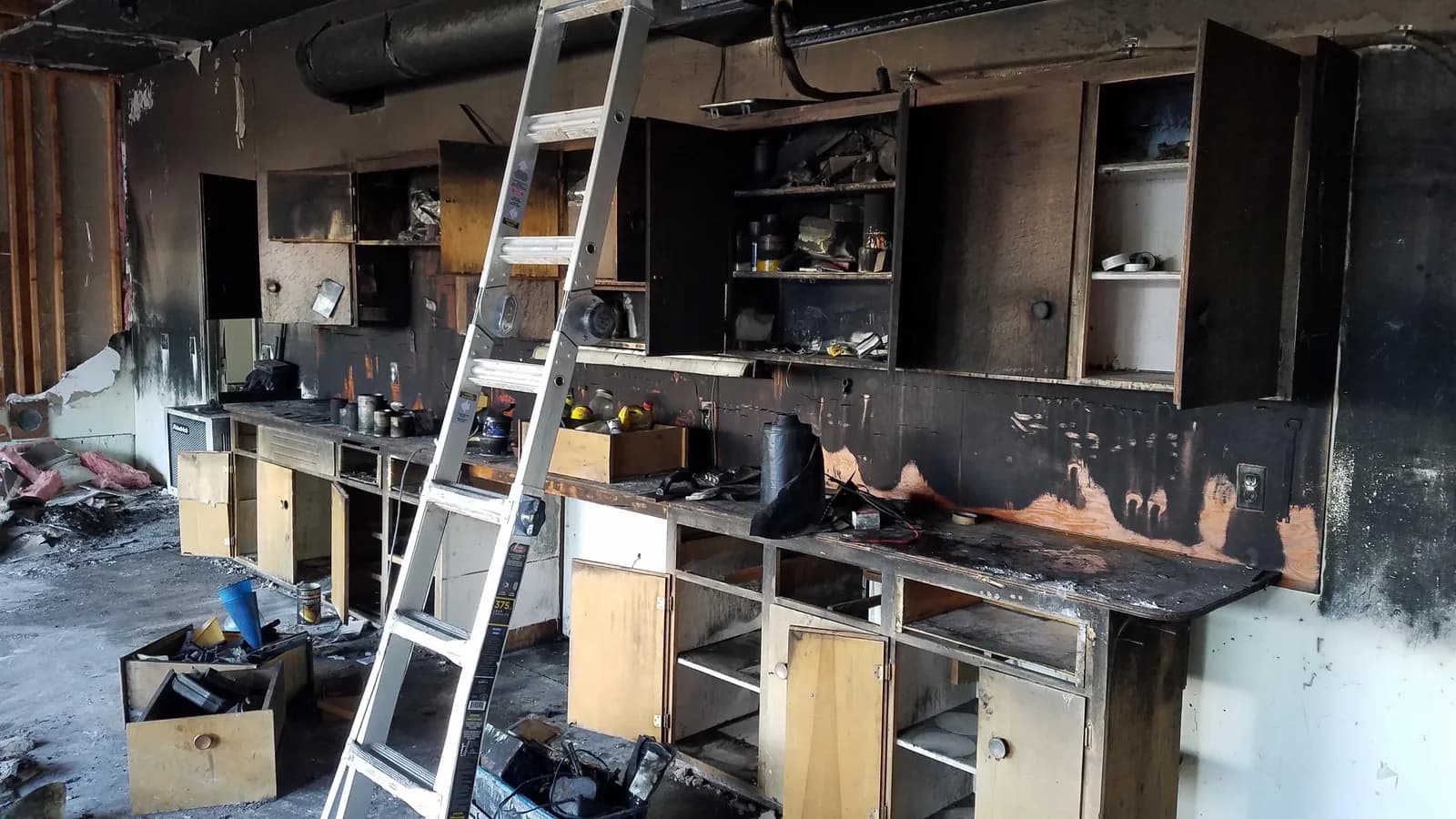
Smoke compounds penetrate drywall, insulation, and framing. Surface cleaning alone leaves the source in place and the smell returns.
Musty mould and mildew odour
A musty smell is active microbial growth. Deodorising without remediating the growth and its moisture source treats the symptom only.
Sewage and organic odour
Requires removal of contaminated porous material first. No amount of treatment neutralises odour from material that is still contaminated.
Stale water and stagnant odour
Indicates moisture still present in a cavity or under flooring. The smell is usually the first sign that drying was never actually completed.
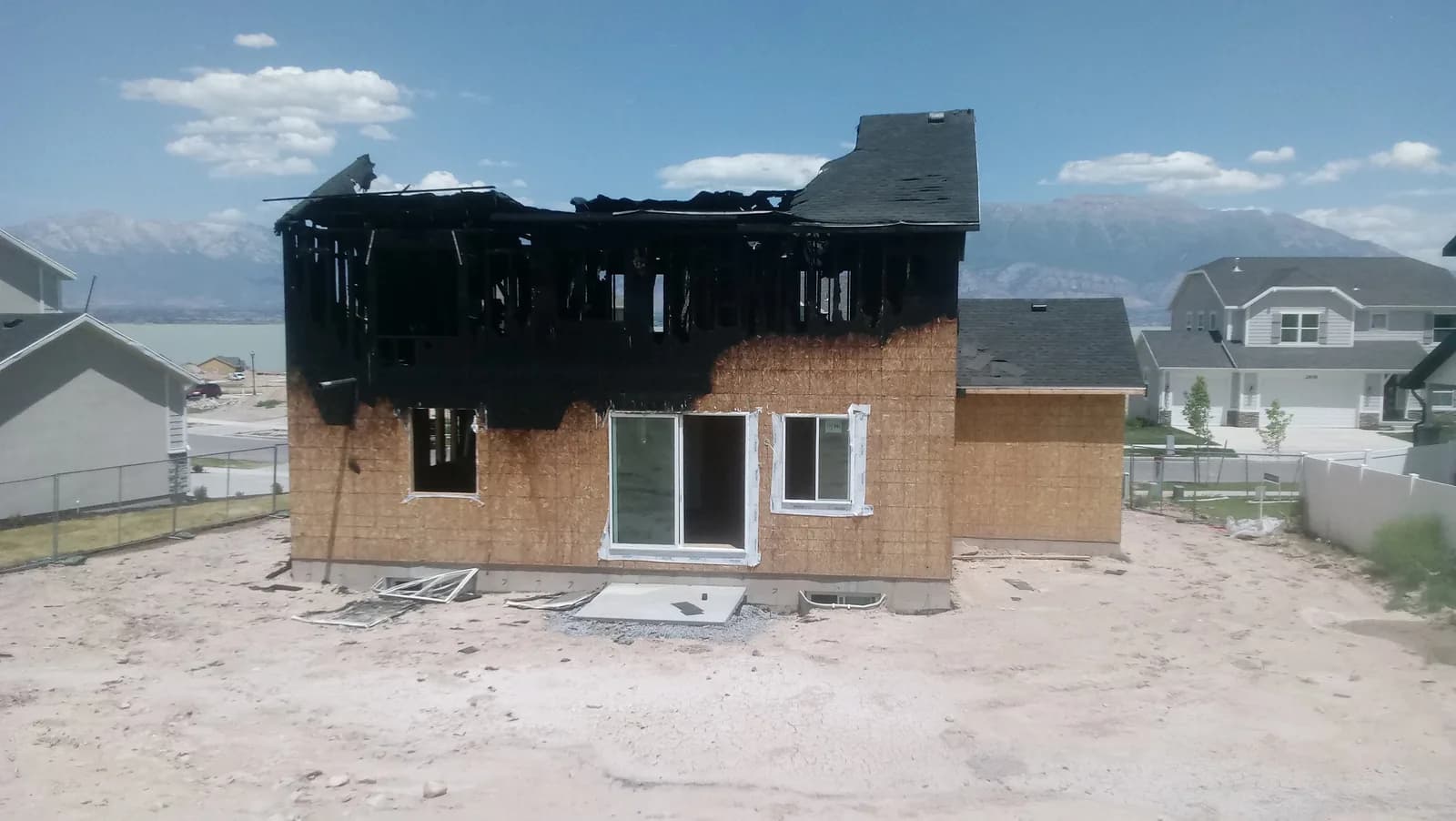
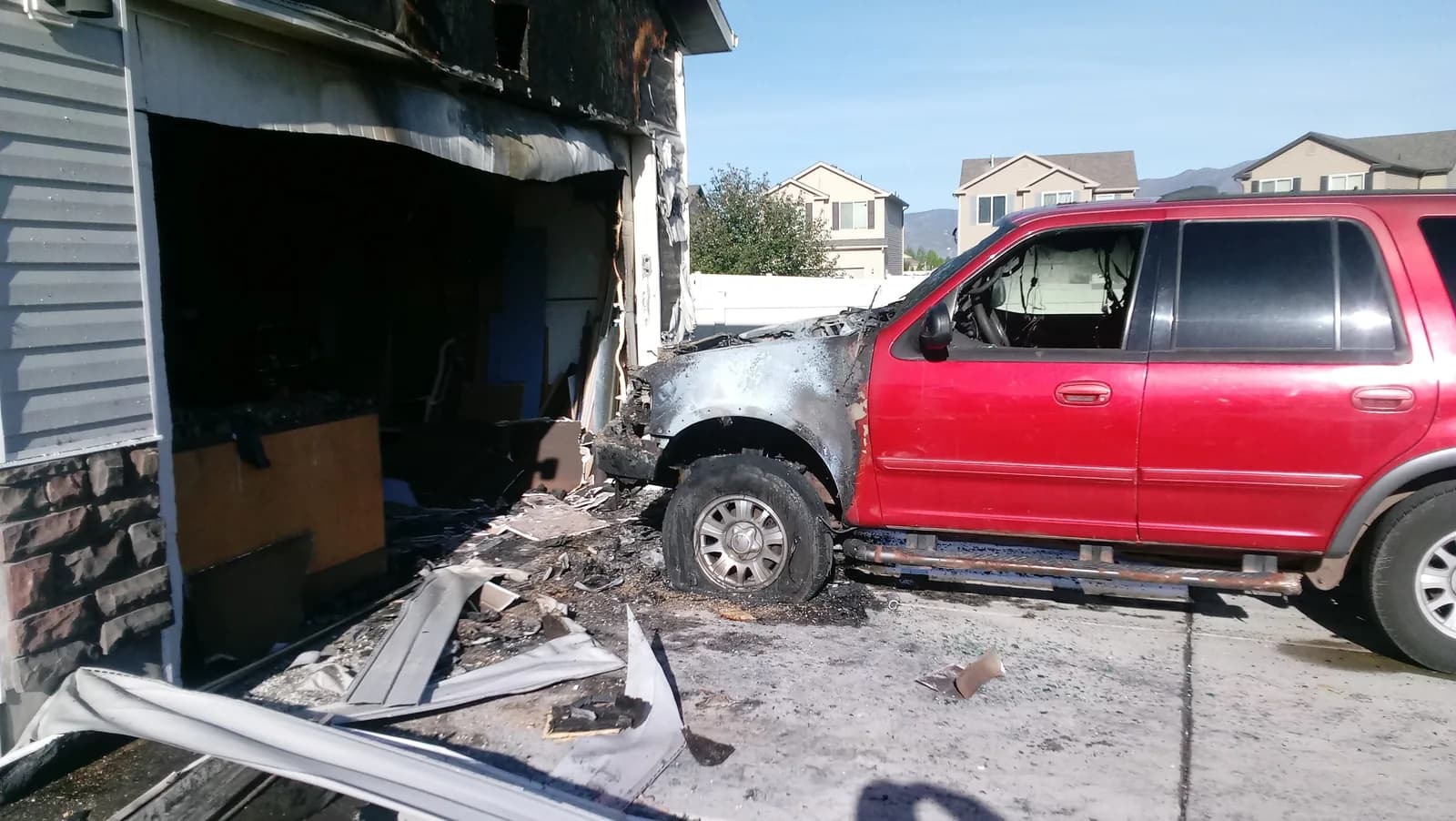
Real odor control & deodorization projects
What odor removal includes
- Source identification using moisture readings and structural inspection
- Removal of porous materials holding odour where removal is practical
- Deep cleaning of salvageable surfaces with the appropriate cleaning agent
- HVAC and ductwork cleaning to stop recirculation through the building
- Hydroxyl generator treatment, safe for use in occupied spaces
- Ozone treatment for unoccupied properties and severe contamination
- Thermal fogging to reach surfaces the original smoke penetrated
- Sealing of structural surfaces where residual odour remains after treatment
Odor Control & Deodorization across Utah
We run odor control & deodorization out of two Utah offices - West Valley City for the Salt Lake Valley and Hurricane for the south of the state.
Odor Control & Deodorization questions
What Utah property owners ask us most about odor control & deodorization.
Why does the smell keep coming back after cleaning?
Because the source material is still in place. Cleaning and deodorising treat the surface and the air, but if odour compounds are embedded in drywall, insulation, or subfloor, that material keeps releasing them. Permanent results require removing or properly sealing the source.
Is ozone treatment safe?
Ozone is effective but not safe to breathe, so it is only used in unoccupied spaces with people and pets out of the building, followed by a ventilation period before reoccupancy. For occupied properties we use hydroxyl generators instead, which are safe to run with people present.
How long does odour removal take?
A contained odour with an accessible source often resolves in one to three days. Whole-house smoke odour requiring material removal, HVAC cleaning, and multiple treatment cycles typically runs one to two weeks, and is usually done alongside the rest of the fire restoration work.
Still have a question? Contact us or call (801) 886-1740.
Other services
Water Damage Restoration
Burst pipes, leaks, and flood damage restoration
Flood and Leak Cleanup
Basement flooding and structural drying
Fire Damage Repair
Smoke, soot, and fire damage cleanup
Mold Remediation
Professional mold removal and structural drying
Sewage Cleanup
Biohazard and sewage backup cleanup
Reconstruction Services
Complete structural repair and rebuilding
Water Damage Gets Worse Every Minute
Don't wait. Call now for immediate emergency response. Our team can be there within 60 minutes.